
1win Bet Deposit: How to Deposit at 1win in Malaysia
Depositing money into a 1win account is usually the first practical step before placing a bet or trying a casino game on the platform. The process is built to be worked through in a few short screens. This page walks through the 1win bet deposit process step by step: logging in, opening the cashier, and picking a payment method. It then covers confirming an amount and currency, authorizing the payment, and waiting for the balance to update. This page also covers what a pending deposit generally means, how to recognize a failed or duplicate transaction, and a few basic precautions worth keeping in mind. Dedicated pages linked further down go deeper into payment methods, bonuses, and promo codes than this guide does.
Last reviewed: August 2026.
Key Takeaways
- The cashier flow follows the same basic steps regardless of payment method: log in, open the deposit section, and choose a method. Then enter an amount, confirm the currency, and authorize the payment.
- A pending status generally means the payment is still being processed or confirmed, not that it has failed.
- A failed deposit is usually linked to the payment method declining the transaction, a connectivity issue, or a mistake in the entered details.
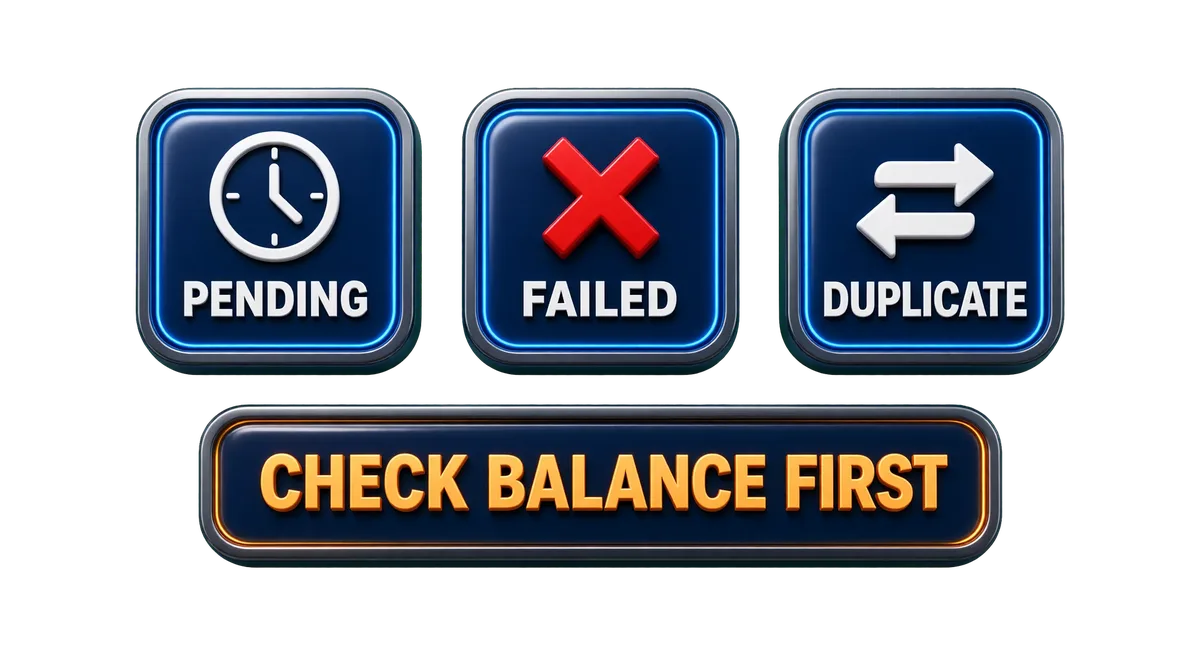
- Resubmitting a deposit immediately after it looks like it hasn’t gone through can create a duplicate transaction. Checking the balance and transaction history first is the safer move.
- Never share a one-time password or account password with anyone, including someone claiming to help process a deposit outside 1win’s own channels.
Depositing at 1win in Malaysia: The Cashier Flow Step by Step
Making a 1win bet deposit follows the same general sequence no matter which payment method ends up being used. Logging into the account is the starting point, after which the cashier or deposit section is usually reachable from the account menu or dashboard. From there, the flow generally looks like this:
- Log in to the 1win account using the registered credentials.
- Open the cashier or deposit section from the account menu.
- Select a payment method from the available options, such as a card, an e-wallet, or a cryptocurrency.
- Enter the deposit amount, for example entering RM100 as an illustrative figure rather than a stated minimum or maximum.
- Confirm the currency the deposit is being made in, since some payment methods may involve a conversion step.
- Confirm or authorize the payment through whichever step the chosen method itself requires, such as a card verification prompt, an e-wallet login, or a wallet signature for crypto.
- Wait for the balance to update in the account. Processing can take a little time depending on the method, and that time is not stated here as a fixed number of minutes.
Each payment route, cards, e-wallets, and crypto, has its own screen once the amount is entered. The exact wording or extra confirmation step can look slightly different, though, depending on which one is selected. Once the payment is authorized, the balance in the account is generally updated without any extra action needed from the player.
Choosing a Payment Method
1win in Malaysia supports a mix of payment categories: cards such as Visa and Mastercard, and e-wallets such as Skrill and PayPal. It also supports a range of cryptocurrencies, including BTC, USDT, ETH, TRX, XRP, DOGE, LTC, and DASH. Which one makes sense for a given player often comes down to what’s already set up. A method already linked to a bank account, or one that already holds a balance, tends to be the quickest to use for a first deposit. This page doesn’t cover how each method works in detail, such as opening times, currency handling, or anything specific to fees. The payment methods page covers each option individually and is the better place to compare them before picking one at the cashier. Whichever method gets selected on the cashier screen, the deposit flow itself works the same way at a high level.
What a Pending Deposit Usually Means
A deposit that shows as pending has generally been received but is still being processed or confirmed rather than already added to the balance. This is a normal part of the flow for some payment methods, particularly ones that involve an extra confirmation step on the provider’s side. That step might be a bank authorization or a blockchain confirmation for crypto. A pending status by itself is not the same as a failed transaction. It usually just means a short wait is needed while the payment method finishes its own checks.
How long a deposit stays pending is not stated here as a fixed number of minutes, since it depends on the method chosen. It also depends on factors outside the platform’s control, such as network conditions for a crypto transfer or processing on the card issuer’s side. If a deposit stays pending for what feels like an unusually long time, checking the transaction history in the account is the first step. Reaching out to support is the next one, if the status still hasn’t changed.
Failed, Declined and Duplicate Transactions: What to Check
A deposit that fails or shows as declined is usually down to one of a few common causes. The payment method itself might decline the transaction, for example when a card issuer blocks the payment. A connectivity issue during the confirmation step, or a mistake in the entered details such as a card number or wallet address, can also be the cause. Checking these basics first, correct details, a stable connection, and confirming with the payment provider directly, resolves a fair share of failed attempts without needing further help.
A duplicate transaction can happen when a deposit looks like it hasn’t gone through and gets resubmitted right away, only for both attempts to eventually process. Rather than submitting a second deposit immediately after an unclear result, checking the account balance and the transaction history first is the safer approach. The original attempt may already be sitting in a pending state, rather than having actually failed.
For any of these situations, the transaction ID is worth having on hand before reaching out for help. It’s typically found in the account’s payment or transaction history section, next to the relevant deposit entry. Contacting support is the next step, and it’s available 24/7 through live chat, email, or phone. Having the transaction ID ready tends to speed up how quickly a pending, failed, or duplicate deposit gets looked into.
Keeping a Deposit Secure
A one-time password (OTP) or account password should never be shared with anyone, including someone who claims to be helping process a deposit or withdrawal. No step in the cashier flow described above requires handing over an OTP or password to another person, whether by phone, chat, or messaging app.
Unverified or third-party contacts offering to process a deposit, top up a balance, or speed along a withdrawal outside 1win’s own channels are a pattern worth being wary of. That’s particularly true when they ask for login details, an OTP, or a direct transfer to a personal account. Deposits should only ever go through the cashier inside the account itself, using the platform’s own payment options. Any account or transaction concern is better handled by contacting 1win’s support team directly, rather than through a third party.
After You Deposit: Bonus Eligibility and Promo Codes
Once a deposit lands in the account, two things are commonly relevant next. The first is checking eligibility for a bonus tied to that deposit. The second is entering a promo code, if one hasn’t been applied yet. Neither necessarily applies automatically to every deposit, and the specific terms, amounts, or wagering conditions attached to any bonus are not covered on this page.
The bonus page explains how bonus eligibility generally works and what to check after a deposit lands. The promo code page covers where a code gets entered and what it can affect. Checking either page before making a deposit, rather than after, is generally the more useful order. That’s especially true if a specific offer is the reason for depositing in the first place.
FAQ
What does it mean when a deposit shows as pending?
It generally means the payment is still being processed or confirmed by the payment method itself, not that it has failed. A short wait, followed by a look at the transaction history, is usually the practical next step before assuming anything is wrong.
Why did my deposit fail?
A few common causes cover most failed deposits: the payment method declining the transaction, a connectivity issue during confirmation, or a mistake in the entered payment details. Checking these first before trying again avoids a repeat failure.
What should I do if I think I made a duplicate deposit?
Avoid resubmitting the deposit right away. Checking the account balance and transaction history first usually clarifies whether the original attempt went through or is still pending, rather than assuming it failed.
Where can I find my transaction ID?
It’s typically listed in the account’s payment or transaction history section, next to each deposit entry. Having it ready before contacting support makes it easier for the team to look into a specific transaction.
Does a deposit automatically apply a bonus or promo code?
Not necessarily. Bonus eligibility and promo code entry are separate steps covered on their own pages, and a deposit by itself doesn’t apply either one without further action.
Is it safe to share a one-time password with someone offering to help with a deposit?
No. An OTP or account password should never be shared with anyone. That includes unverified or third-party contacts offering to process a deposit or withdrawal outside 1win’s own channels.
1win operates under a Curacao gaming license, a regulatory framework that is separate from any Malaysian legal status. For anything beyond what’s covered here, 1win’s support team is available 24/7 through live chat, email, and phone.